Self-Preservation
Podcast: Play in new window | Download (Duration: 16:36 — 14.2MB)
Subscribe: Apple Podcasts | RSS | More
Knowing Your Limits: When to Hold and When to Push Onward
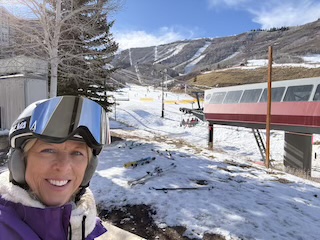
I’m recording this episode from a place that looks very different than my usual setup. We’re away on a family getaway that was supposed to be a snowy ski vacation, but when I look outside, all I see are brown mountains and sunshine. Not exactly the winter wonderland we imagined. Still, we’re here, together, enjoying the time, and as the year winds down and the holidays rush in, I felt like this was the perfect moment to pause and share something that’s been sitting heavy—and meaningful—on my heart.
As you know, I tend to share lessons I’m actively learning myself, and this week’s lesson came straight from the ski slopes. I ski as an amputee. I ski on one leg, using outriggers, and while it looks empowering and inspiring in photos and videos, the truth is that it is anything but easy. Every single time I clip in, no matter how long I’ve been doing this, I still get butterflies. I still hope my body will hold up. I still pray for the best outcome and for enough strength to get me down the mountain safely.
I’ve always been someone who pushes hard. When I lost my leg in December of 2018, I got my first prosthetic in late March and barely had time to adjust before we were headed on a family ski trip in April. I had planned to sit on the sidelines, but I told my husband early on that I wanted to try skiing as an amputee. That trip was my first time learning to ski as a three-tracker—one ski on my sound leg and two outriggers with tiny skis on the ends. It was intense. It demanded everything from my good leg, my core, my upper body, and my mental focus.

Fast forward to now, and while I have more experience, I also have more wisdom. Yesterday, I went out for my first run of this trip, and it was a long one. I chose a blue run instead of the easier option, and I pushed myself hard. I made it down without falling, and I was proud of that—but my body was absolutely fried. My quad, calf, foot arch, hands, and shoulders were screaming. My grip on the outriggers was barely there, and I knew that if I went again, fatigue could turn into injury.
The old version of me—five or six years ago—would have pushed through anyway. I would have ignored the warning signs and kept going. But yesterday, something different happened. I looked at my husband and said, “I’m done. I want to end on a high note.” And that was enough. Self-preservation won, and for the first time in a long time, I listened to my body without guilt.
That decision mattered more than I realized in the moment. Because what I’m learning—and what I want you to hear—is that your best in this moment doesn’t have to be your best ever. Your best is enough when it honors where you are right now. Strength isn’t always pushing harder. Sometimes strength is knowing when to stop.
As amputees, our bodies are constantly negotiating limits. When you rely on one good leg, you have to be mindful of how far you push before fatigue compromises safety. Yesterday, my head wanted more, but my body was very clear: this was enough. And instead of feeling defeated, I chose to feel proud.
What you don’t see in highlight videos is the pain, the fear, the intense focus it takes to stay upright and in control. You don’t see the internal battle between wanting to prove yourself and needing to protect yourself. And that’s something I think so many of us struggle with—especially when we compare ourselves to others or even to past versions of ourselves.
This year, I’m not the same person I was last spring when I was in great shape, hitting the gym, and doing one-legged squats. I had revision surgery this summer. I’ve been learning a new socket, adapting to a new prosthetic, and giving my body time to heal. That meant less time training and more time resting. And while rest came at the cost of muscle mass and endurance, it also gave me other gifts—healing, reflection, time at home, time with my animals, and space to process everything my body has been through.
We are not static beings. Even with the same injury, we are different depending on the season of life we’re in. And during the holidays especially, it’s easy to beat yourself up for not doing “enough.” But the truth is, everyone’s circumstances are different. Some of you can’t get to the gym. Some of you are waiting on a fitting, a surgery, or relief from pain. Some days, just breathing is the win—and that is okay.
I know amputees who avoid connecting with others because they feel like they’re falling short. My message to you is this: do what you can with what you have, where you are. Comparison steals joy and progress. The valley you’re in right now does not dictate the rest of your life.
If you’re disappointed in yourself because you know you can do more and you’re choosing not to, then have that honest conversation with yourself and start shifting your mindset. Change the internal dialogue. Set goals. Dream again. But if you’re in a season of healing, pain, or waiting, give yourself grace. This moment is not permanent.
Yesterday, I skied one run—and that one run was enough. I walked away proud, safe, and encouraged instead of broken down and discouraged. Tomorrow, I’ll go out again with confidence and clarity. And when spring comes, I know exactly what I need to do to be stronger.
Being an amputee is hard. Some days are brutal. But you are not failing because you rest, and you are not weak because you pause. Be proud of where you are. Be proud of your scars. Know that you are doing the best you can with the situation you’ve been given—and that is enough.
This season will pass. Keep moving forward. Keep honoring your body. And remember, the warrior within you doesn’t disappear when you slow down—it grows wiser.
I hope you have a beautiful holiday season. And I’ll be back again soon before this year comes to a close.
And as always,
Be Healthy,
Be Happy,
Be YOU!!!
Much love,