Statistics and Realities of Limb Loss
Podcast: Play in new window | Download (Duration: 24:48 — 26.5MB)
Subscribe: Apple Podcasts | RSS | More
Life Behind the Numbers of Amputees and Limb Difference

April is Limb Loss and Limb Difference Awareness Month, and this year on the podcast, I’m doing something that means so much to me. Instead of focusing only on my own story, I’m opening the door for other amputees to share theirs. That has become a tradition for me over the last five seasons, and this year I’m building the entire month around one powerful theme: Survivors to Warriors. I truly cannot wait for you to hear these interviews, because the young adults I have coming on embody courage, resilience, grit, and hope in a way that will leave you inspired. Their stories are raw, real, and deeply moving, and I’m honored to call each of them my friend.
As I prepared for this month, I wanted to begin with something eye-opening: the statistics. Because the truth is, before I became an amputee seven years ago, I hardly ever noticed amputees around me. Maybe once in a while I’d see someone, but it felt rare. Now, just like when you buy a certain car and suddenly see it everywhere, I notice amputees much more often. Even so, the numbers tell me I should be seeing even more. And that is what really stopped me in my tracks.
Worldwide, someone loses a limb every thirty seconds. There are tens of millions of people around the world living with limb loss, and what absolutely breaks my heart is that up to ninety percent of them do not have access to prosthetic care. Ninety percent. That number is staggering. And it hits close to home for me because I know what it feels like to have the hope of mobility threatened.
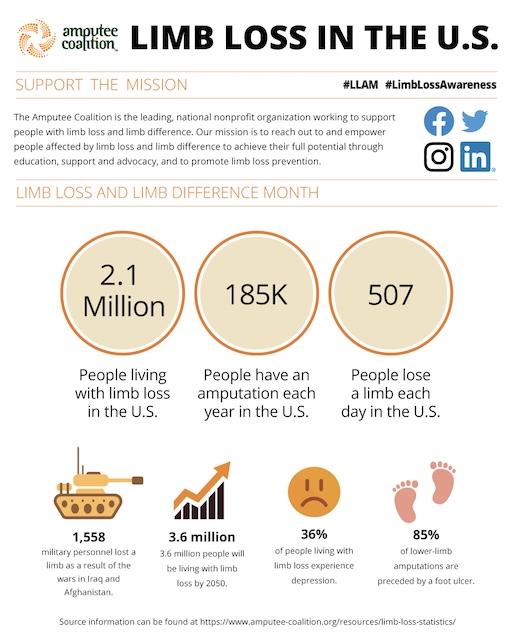
Amputee Coalition Statistics used on American Endovascular & Amputation Prevention site, April 25, 2022
Before my elective amputation, I was told everything would be covered. I did my homework because I knew prosthetics were expensive, and I needed the reassurance that if I moved forward with surgery, I would have access to the leg I needed. Then, about a month after surgery, we filed the insurance paperwork and I was denied. I can tell you without hesitation that those four weeks were some of the hardest weeks of my life. In the grand scheme of seven years, it may look like a blink. But in the moment, it felt like everything. I had dreams, goals, and visions of what life could be after amputation, and suddenly an insurance company was telling me no.
So I fought. Every single weekday, I called. I kept climbing the ladder, talking to the next person and then the next. I refused to sit back and wait for someone else to decide my future. That season demanded every ounce of emotional and mental strength I had. I had to advocate for myself when I was exhausted, scared, and uncertain. And when I think about the reality that so many people around the world never get that access at all, it is heartbreaking.
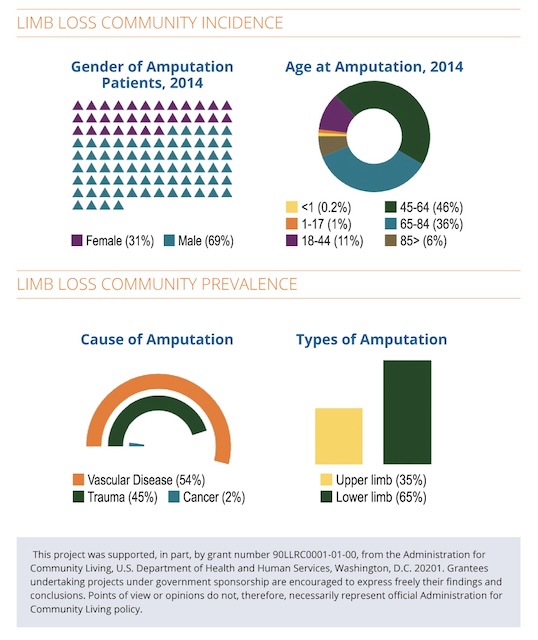
Amputee Coalition Statistics used on American Endovascular & Amputation Prevention site, April 25, 2022
The leading causes of limb loss are also telling. Vascular disease, including diabetes, makes up the largest percentage. Trauma is close behind, including accidents and injuries. Then comes cancer, though at a much smaller percentage. My own amputation came after years of surgeries following a karate injury, and eventually I made the deeply personal decision to amputate. Elective amputation is not an easy road, and whether amputation happens in an instant or after years of medical struggle, both journeys carry their own kind of trauma.
That’s the part people do not always see. Yes, limb loss is physical. It is visible. But the emotional and mental toll can be just as life-altering. Depression, anxiety, PTSD, fear, isolation, and loss of confidence are very real parts of this journey for so many amputees. People may see someone walking on a prosthesis and assume they are doing fine, but they do not always see the inner battle. They do not see the fear of falling, the anxiety of being watched, the struggle to trust your body again, or the grief of trying to figure out who you are now.
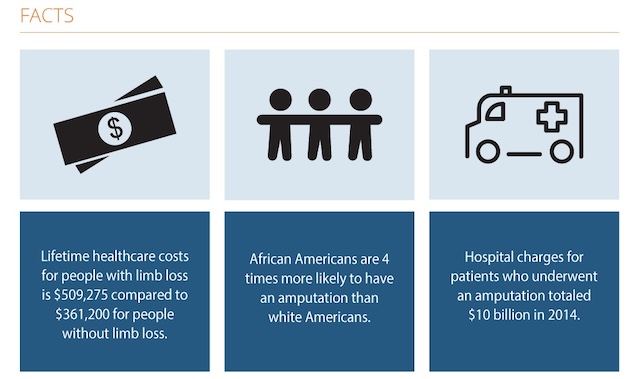
Amputee Coalition Statistics used on American Endovascular & Amputation Prevention site, April 25, 2022
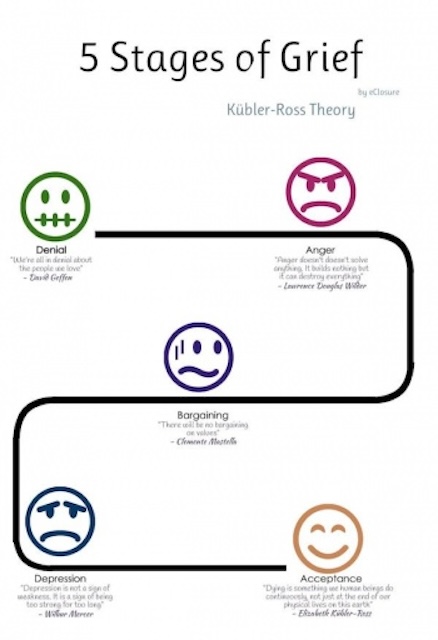
Physiopedia: The 5 Stages of Grief and Loss; Axelrod, J. September 26, 2018, https://psychcentral.com/lib/the-5-stages-of-loss-and-grief/
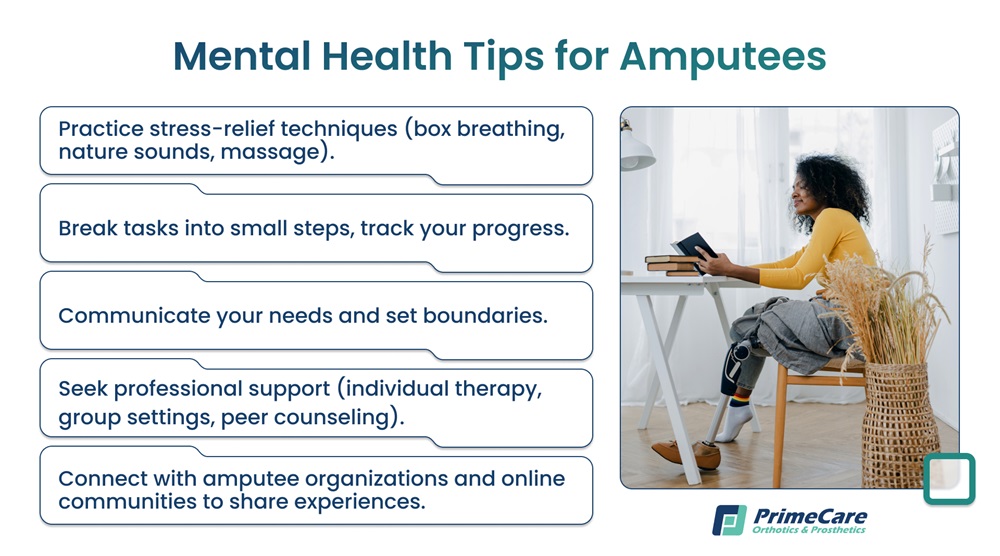
Prime Care, Blog by Eddie Zepeda. Published, January 20, 2025
And then there is phantom pain, something many amputees know all too well. Phantom pain and sensations can range from mild to absolutely overwhelming. It can feel like burning, stabbing, cramping, stinging, or relentless discomfort that comes out of nowhere and hits like a truck. It is one more reminder that the amputee journey is layered, complicated, and often invisible to the outside world.
That is exactly why this month matters so much to me. I want these interviews to shine a light on the real lives behind the statistics. I want you to hear from young adults who have endured the unimaginable and are now learning how to rise, rebuild, and become warriors. Their stories deserve to be heard, and I know they will inspire anyone who listens.
So as we step into Limb Loss and Limb Difference Awareness Month, I hope you’ll join me. Like, share, subscribe, and most of all, listen. These stories matter. These lives matter. And together, we can bring more awareness, more compassion, and more hope to a community that deserves to be seen.
And as always,
Be healthy,
Be happy,
Be YOU!!!
Much love,