Tag: University of Michigan

RPNI Study Discussion with University of Michigan

RPNI Study Discussion with University of Michigan

Join the Movement for Above Knee Amputees


What if joining the movement means becoming part of the future of amputee care?

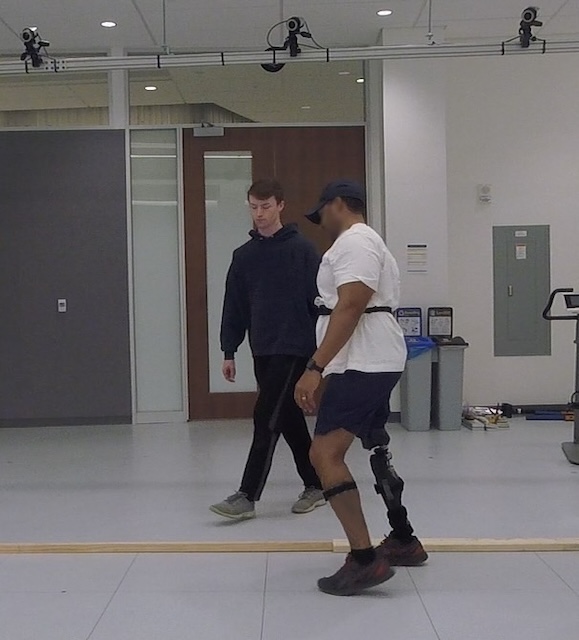
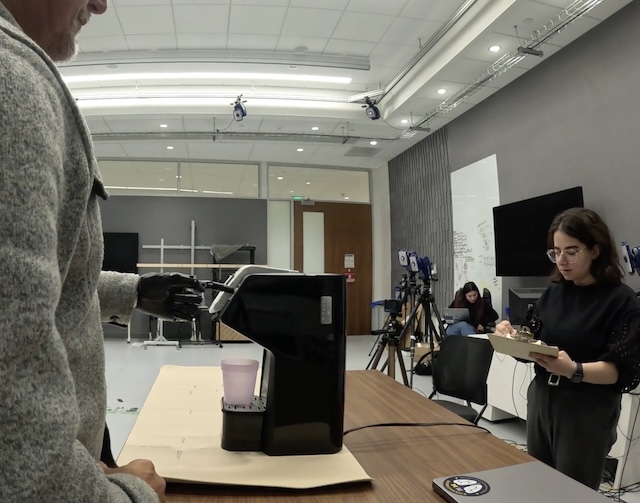
In this episode of the BAWarrior Podcast, I had the honor of sitting down with Jake and Hiva, two PhD students from the University of Michigan, who are working on research that could help shape the future of prosthetic technology for above-knee amputees.

This conversation was personal for me because I know what it feels like to step into the unknown for the sake of healing, hope, and future possibilities. Last year, I chose to take part in an experimental surgical procedure, and I know the questions, fears, and emotions that come with making that kind of decision. It is not easy to say yes to something new, especially when it involves your body, your mobility, and your future.

Jake and Hiva are currently working with RPNI, which stands for Regenerative Peripheral Nerve Interface. In simple terms, this procedure helps give nerves a new place to grow by wrapping them in small muscle grafts. These “muscle burritos,” as Jake described them, may help researchers better understand movement intention and even explore how a person could one day control a powered prosthetic knee or ankle more naturally.


What excites me most is that this research is not only about technology. It is about trust. It is about sensation. It is about helping amputees feel more connected to the ground beneath them and the prosthesis they rely on every day. As amputees, we know the physical work it takes to walk again, but many people do not see the mental load that comes with every single step. Research like this could help reduce that disconnect and move us closer to more natural, confident movement.
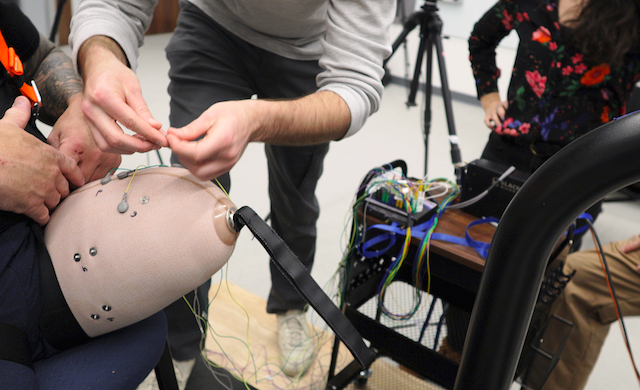
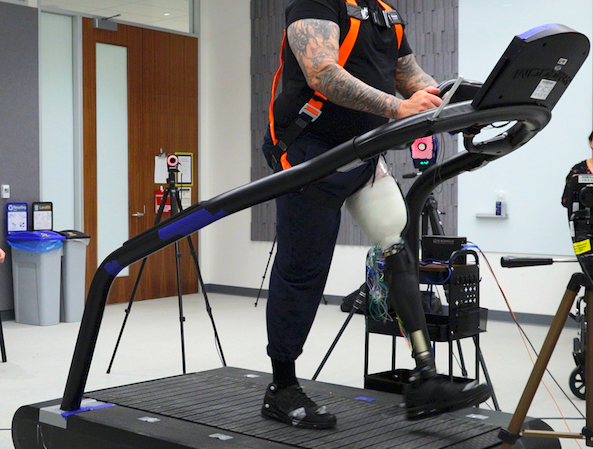


This study is currently looking for above-knee amputees who are comfortable using their prosthesis, able to navigate daily life without a wheelchair, and willing to be part of something bigger. Travel, lodging, and food are covered for participants who qualify. The study does involve surgery, so it is not a decision to take lightly, but it may be an opportunity for someone who is already dealing with nerve pain, neuromas, or who feels called to help move the prosthetic field forward.

Research does not move forward without us. Every advancement we see in prosthetics today happened because someone before us said yes.

 

So here is my call to action: Join the Movement. Do not just listen to the conversation; become part of the change. Visit WarriorGround to learn how you can get involved, support amputee research, become an ambassador for Limbs for Humanity, connect with Stride Robotics, or explore opportunities like this University of Michigan study.

You can also email Jake at: jkanetis@umich.edu

or email Hiva at: razavih@umich.edu

Let’s rise up, warriors. Our stories, our bodies, and our willingness to step forward can help build a better future for amputees to come.


And as always,

Be Healthy,

Be Happy,

Be YOU!!!


Much love,



Click the link below to see the flyer for the University of Michigan study:

LL RPNI Flyer (1) 2

New Age Powered Prosthetics: A Leap Toward Real Mobility

New Age Powered Prosthetics: A Leap Toward Real Mobility

Stride Robotics Lightweight Power Knee Redefining Movement


This episode wrapped up Limb Loss and Limb Difference Awareness Month in a powerful way by looking toward the future of mobility, technology, and what it truly means to help people live again after limb loss.

After a month full of stories about trauma, cancer, amputation, grief, fear, faith, and resilience, I wanted to end this series by asking a bigger question: once someone survives, how do we help them truly reclaim their life?

That is why I invited Revanth, cofounder and CEO of Stride Robotics, onto the BAWarrior podcast. Stride Robotics is working to redefine mobility through lightweight powered prosthetic technology designed to restore strength, endurance, and freedom for amputees. I also have the honor of serving as an advisor for their company, helping give feedback from the lived experience of an above-knee amputee.


In this conversation, Revanth shared his journey from robotics and engineering into the prosthetic world. What stood out to me most was his honesty. He admitted that, early on, he was focused on building something impressive. But through conversations with amputees and prosthetists, he realized that innovation only matters if it solves a real human problem. That shift — from building something cool to building something truly useful — is where the heart of this conversation lived.

We talked about the communication gap between engineers, prosthetists, and amputees. All three groups are speaking from different perspectives, and yet all three must work together if prosthetic technology is going to improve real lives. As an amputee, I know firsthand that we do not always describe things in technical terms. We describe how something feels. We talk about trust, effort, fear, exhaustion, balance, and whether a device allows us to live the way we want to live.

One of the most powerful parts of this episode was our conversation around “mental load.” True mobility is not just about walking. It is about not having to think through every single step. It is being able to hike and look at the view instead of staring at the ground. It is walking into a room without calculating every movement. It is trusting your body and your prosthesis enough to live fully.

Revanth explained how Stride Robotics is working on a powered knee that is lighter, quieter, more affordable, and more functional than many powered options currently available. Their goal is to reduce strain on the hips, back, shoulders, and intact limb while helping amputees move with more confidence and less compensating. We talked about battery life, USB-C charging, fall prevention, waterproof possibilities, loaner programs, clinician support, and even future data feedback that could help prosthetists better understand how their patients are moving in real life.

But what I loved most was that this was never just a conversation about a device. It was about dignity. It was about access. It was about making sure technology does not only serve the few who can afford it, but eventually reaches amputees around the world who are desperate for mobility, independence, and hope.

This episode is also a call to action. Whether you are an amputee, prosthetist, engineer, student, investor, donor, or simply someone who cares, there is a place for you in this movement. Stride Robotics needs feedback, connection, research, support, and people willing to help move innovation forward.

Limb loss awareness cannot end with awareness. It has to move us into action. My hope is that this episode inspires you to get involved, ask better questions, support meaningful change, and become a beacon of hope for those still fighting to reclaim their mobility and their life.


Join the Movement. Bring dignity, independence, and mobility to all.

Today, that’s YOUR Call to Action, your charge from this month of story telling.

Be a part of the change, today! You can reach out to us:

Angie: BAWarrior360@gmail.com

Revanth: LinkedIn

Stride Robotics: LinkedIn

Stride Robotics: Website

Thank you for watching, sharing, and subscribing.

Let’s change lives, TOGETHER!

See you next week, and as always,

Be Healthy,

Be Happy,

Be YOU!!!


Much love,

 

The Future is Now: Part 4 of 5

The Future is Now: Part 4 of 5

University of Michigan

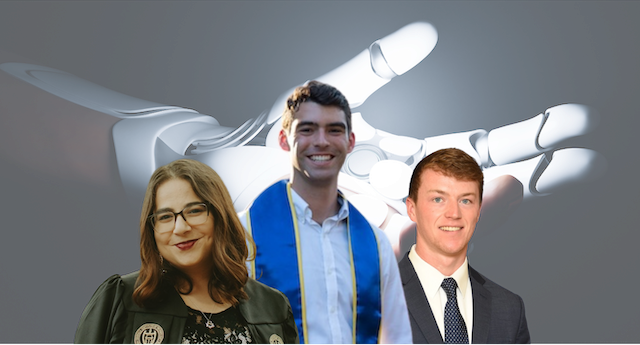
Mira Mutnik, Jake Kanetis, and Marty Kilbane


Amazing conversation with not 1, not 2, but 3 PhD students at the University of Michigan this week!

A true, authentic conversation about the innovation and design of future prosthesis and the growth and research of creating a surgical procedures to aid in using these newly designed prosthesis all with the purpose of replicating the natural human movement.

We packed so much conversation into this episode with so much more we could have talked about.

Once again, we discussed what we could, but some details must be left out due to the highly competitive field these young adults are working in.

What I love about these three students is that even though they are all in a different sector, so to speak, of research: Mira-above limb amputees, Jake-below limb amputees, and Marty-prosthetics, they are all working towards the same goal; creating the best way to unify the surgical procedure and prosthesis to give the amputee the best, most natural movement possible.


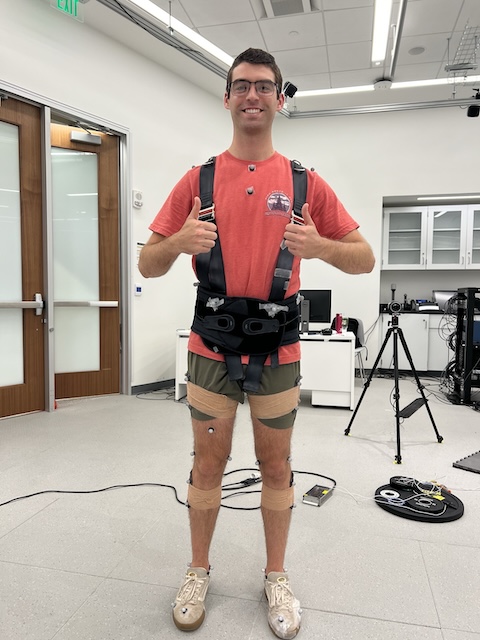
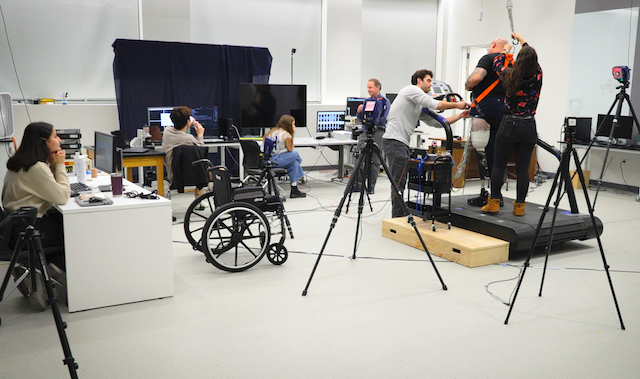
Jake all hooked up to monitor human movement to collect data for his research


Marty working with a study participant on their design of a prosthesis they are working on in the lab.


Mira collecting data on her upper limb project and how to get the best hand movement and dexterity of a prosthesis.


We had a great discussion of what it could look like for the future of amputees and the length of time these studies take. There are a lot of hoops to jump through, safety regulations, data collecting, and trials. The FDA must approve procedures and products that they hope to take to market some day, but these students have become three of the many students going through the program at University of Michigan, working tirelessly to bring this technology closer to us being able to access it.

I find it so unique to see the shift from making the newest, coolest, most advanced products for us to wear, as amputees, to surgical procedures to make our bodies work in harmony with a prosthesis. The one thing we did dive deep into was the procedure of getting candidates who fit the bill to doing the trial procedures, and finding willing participants as well. This can be so tricky as we struggle with the idea of going back in and revision the original amputation in hopes that the outcome will be the same if not better, but the concern that it could be worse.

I hope you will join us today, listen to the entire podcast and see what dedication these students have for helping our amputee community, what motivates them to continue into this higher level of study, and what their plans are for their future after graduation.

Thank you Jake, Mira, and Marty for sharing your passion. Your dedication to helping our community find a better way to live is inspiring and deserves our gratitude!

Continue doing what you’re doing, and know we all thank you for the time, ideas, and ingenuity to take amputees to the next level!

Please make sure you all Like, Share, and Subscribe so you don’t miss an episode as we continue with our 5th Student interview next week as we visit MIT again from a different angle.

Wishing you all the best, and a blessed week ahead.

And as always,

Be Healthy,

Be Happy,

Be YOU!!


Much love,